Analytics Fueling Tailored Incentive Programs in Sports Betting Casinos and Poker
Jonas Hartmann · Sep 8, 2026
Analytics Fueling Tailored Incentive Programs in Sports Betting Casinos and Poker
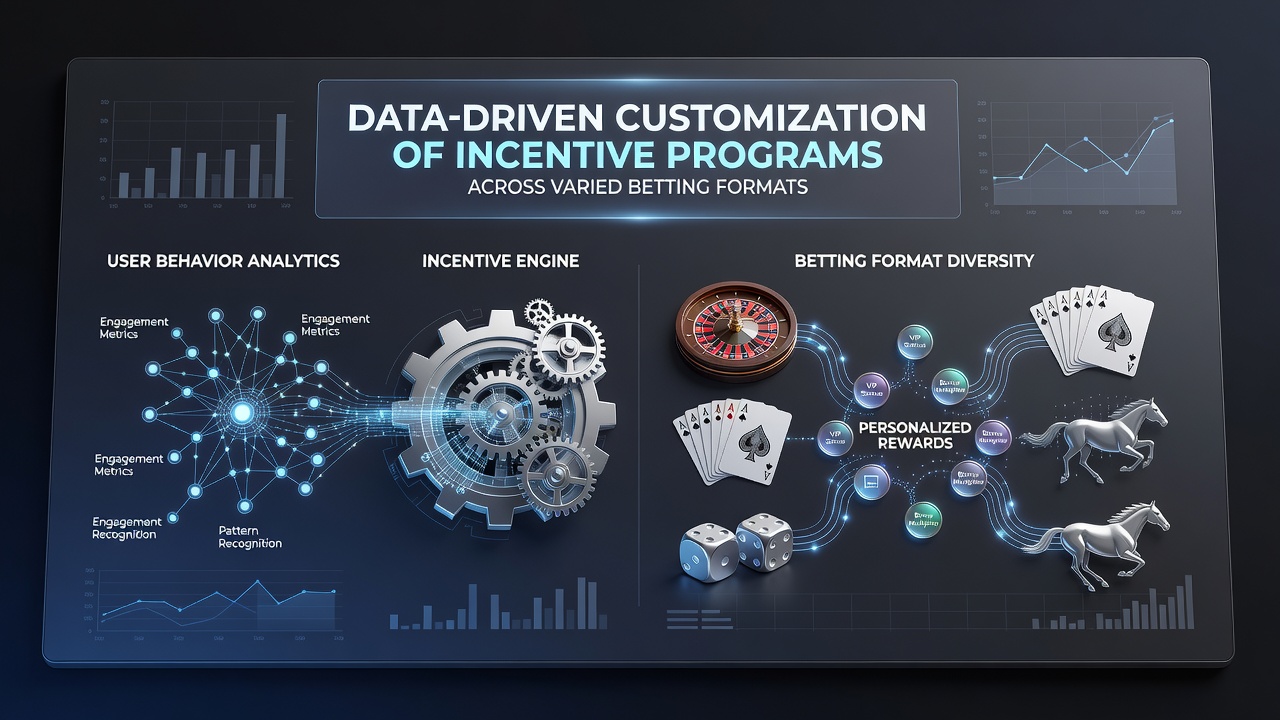
Operators across sports betting, casino, and poker verticals now rely on granular player data to build incentive programs that adapt to individual behavior patterns rather than applying uniform offers to entire user bases. Research from industry analytics providers shows that segmentation models incorporating deposit frequency, game type preferences, and session duration allow platforms to adjust bonus structures in real time, and this approach has gained traction as markets matured through 2026.
September 2026 data releases highlighted how platforms serving multiple formats coordinated their reward engines to prevent overlap while maximizing engagement. One major operator reported that cross-format players who received sports-specific reloads alongside casino cashback maintained higher retention rates than those given generic bonuses, according to internal metrics shared with regulatory filings.
Segmentation Models Across Formats
Player data collected from sportsbooks typically emphasizes betting volume on specific leagues or events, whereas casino platforms track spin rates and volatility tolerance, and poker rooms monitor hand volume alongside tournament participation. Analysts combine these signals into unified profiles that trigger distinct incentive layers, and observers note this method reduces bonus cannibalization when users switch between verticals on the same account.
Studies conducted by academic researchers at institutions tracking digital wagering patterns found that tiered reward systems calibrated to format-specific metrics increased repeat deposits by measurable margins in controlled cohorts. Those same studies documented how machine learning algorithms adjusted free bet amounts for sports users based on recent wager sizes while simultaneously scaling poker rakeback percentages for high-hand-volume players.
Real-Time Adjustments and Platform Integration
Integration between backend systems allows incentive engines to respond within minutes to shifts in activity, such as a sudden increase in casino table game play prompting targeted free spin bundles while sports handle remains steady. Platforms that deployed these synchronized systems reported smoother player journeys, and data from the American Gaming Association indicates coordinated incentives across verticals contributed to steadier revenue streams during periods of fluctuating sports calendars.
European regulators, including those aligned with the Malta Gaming Authority, have examined how such customization affects responsible gambling tools, noting that personalized limits often accompany tailored bonuses to maintain compliance. Canadian provincial data similarly reflected growing adoption of format-aware reward logic as operators expanded multi-vertical offerings.
Impact on Retention and Cross-Format Play
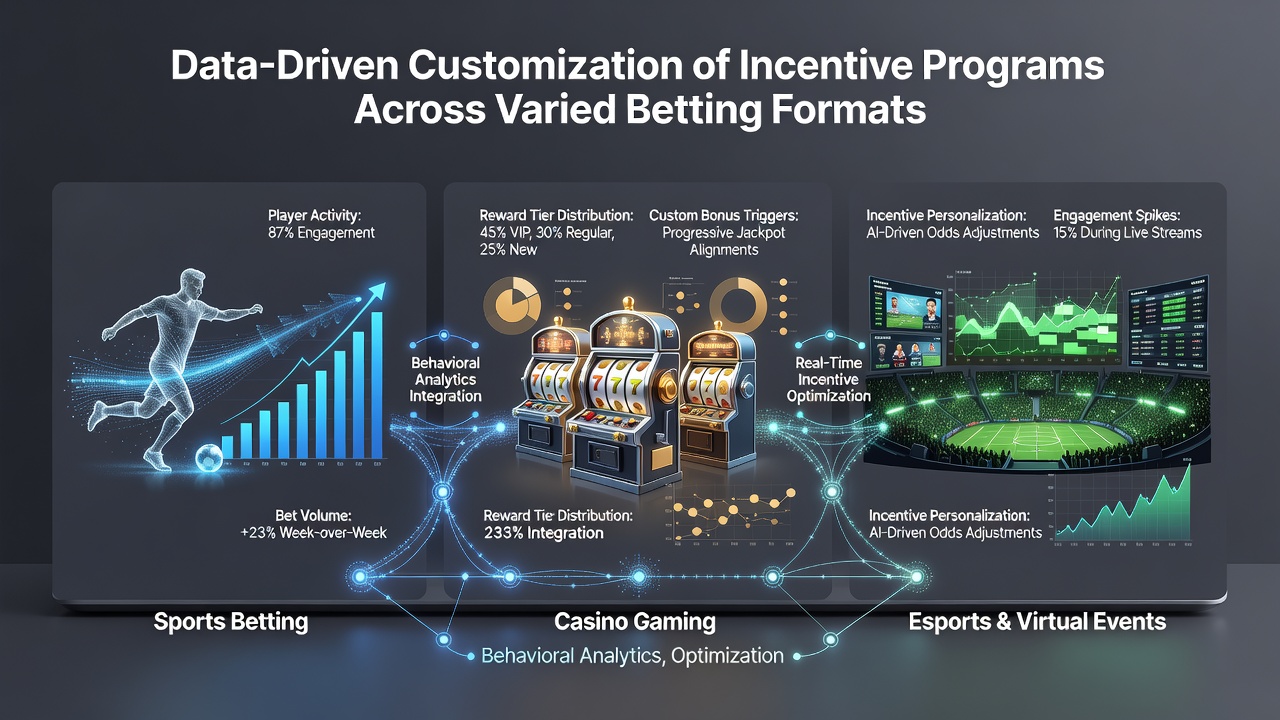
Retention metrics compiled through mid-2026 revealed that users exposed to data-driven incentives spanning sports, casino, and poker demonstrated longer account lifespans compared with single-format cohorts. One documented case involved a platform that introduced poker-specific tournament tickets triggered by prior sports betting activity, resulting in measurable upticks in overall handle without proportional increases in bonus liability.
Those who studied these implementations observed that combining deposit-based triggers with behavioral flags, such as late-night casino sessions or pre-match sports research time, produced more precise targeting than volume alone. Figures from multiple operators showed reduced bonus cost per retained player when algorithms accounted for format transitions rather than isolated vertical performance.
Regulatory and Technical Considerations
Technical teams continue refining data pipelines to ensure incentive customization complies with jurisdictional rules on bonus advertising and player protection. Reports from Australian state regulators documented similar trends toward personalized offers backed by audited algorithms, and these filings emphasized transparency requirements around how player data informs reward decisions.
September 2026 updates from several North American markets underscored ongoing investment in privacy-compliant data sharing across verticals, while maintaining separation between sports integrity monitoring and promotional engines. Observers tracking these developments noted that operators investing in unified player graphs achieved tighter control over incentive overlap and clearer reporting for compliance audits.
Conclusion
Platforms that integrate format-specific data into incentive design continue expanding their capabilities as new data sources emerge from mobile interactions and live event tracking. Evidence accumulated through 2026 demonstrates measurable differences in player behavior when rewards reflect actual usage patterns across sports betting, casino, and poker environments, and this trajectory points toward further refinement of segmentation techniques in subsequent periods.