Analytics Shape Dynamic Reward Systems in Virtual Sports Arenas
Noah Schwarz · Nov 2, 2026
Analytics Shape Dynamic Reward Systems in Virtual Sports Arenas
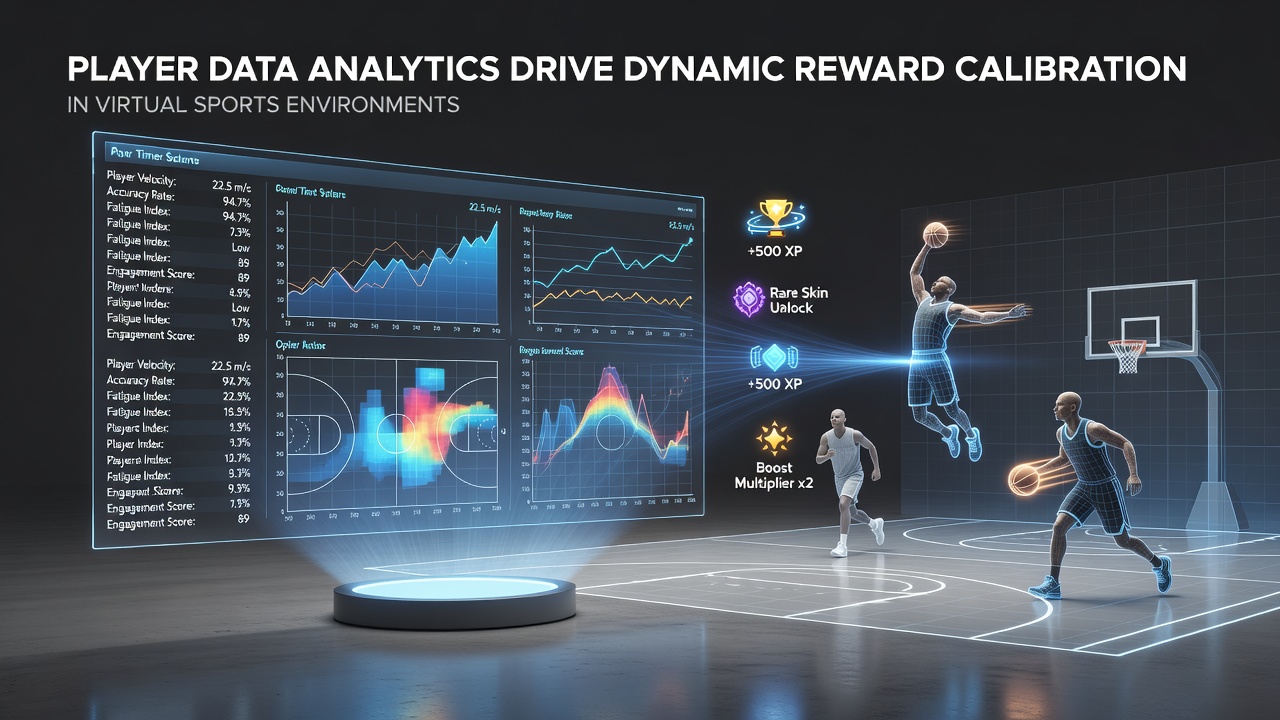
Data collection forms the foundation for reward calibration in virtual sports environments where platforms track user engagement patterns, session durations, and performance metrics across simulated competitions, and operators apply these inputs to adjust bonus structures in real time. Systems monitor variables such as win rates, participation frequency, and deposit behaviors to generate profiles that inform personalized incentive levels, while algorithms process streams of information from multiple sources including in-game actions and external market signals.
Core Mechanisms Behind Calibration Processes
Virtual sports platforms integrate machine learning models that analyze historical datasets to predict optimal reward timing and value, and these models update continuously as new player interactions arrive. Operators segment users into cohorts based on activity clusters, then deploy tiered bonuses that scale with demonstrated engagement levels, whereas static reward systems give way to fluid adjustments tied directly to behavioral signals. Research from industry reports shows that such approaches maintain participation rates during off-peak periods by aligning offers with individual risk tolerances observed in prior sessions.
Calibration engines draw on variables including average bet size, game selection sequences, and response times to losses, and they recalibrate thresholds weekly or even daily depending on platform traffic volume. One study revealed that platforms using these methods recorded a 12 percent increase in repeat logins among targeted cohorts compared with control groups that received uniform offers, while data from November 2026 indicated further refinement in calibration speed following infrastructure upgrades at several major providers.
Integration with Broader Platform Operations
Analytics pipelines connect reward systems to inventory management for virtual assets and promotional inventories, allowing operators to shift prize pools toward underutilized simulations without manual intervention. Teams responsible for trading and risk oversight review aggregated outputs from these pipelines to ensure compliance with jurisdictional limits on bonus values, and cross-functional workflows incorporate feedback loops that refine model accuracy over successive iterations. Figures from the European Gaming and Betting Association highlight that operators adopting integrated analytics saw average hold percentages stabilize even as reward volumes fluctuated with seasonal demand spikes.
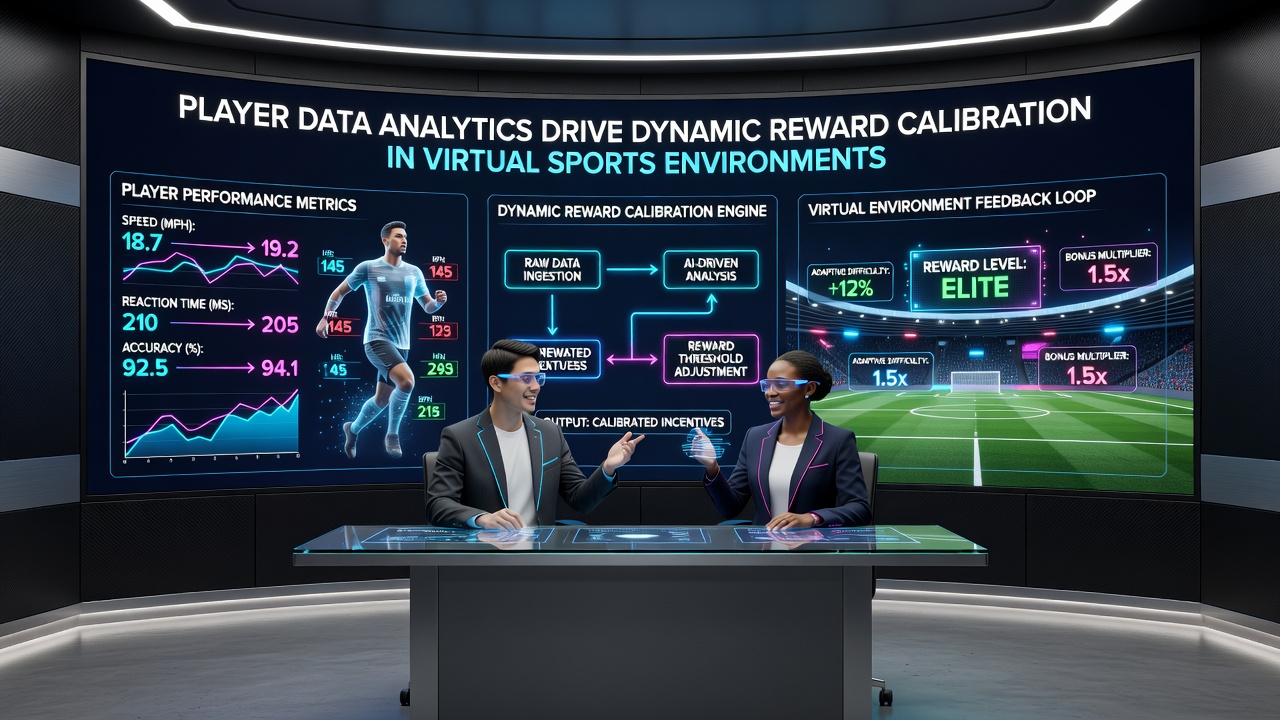
External data sources supplement internal logs when platforms incorporate weather simulations, roster updates, and historical match outcomes into their calibration logic, and this layered input produces reward offers that reflect both individual player profiles and broader competitive conditions. Observers note that synchronization between analytics teams and content developers enables rapid rollout of new virtual events accompanied by tailored incentives that encourage exploration of fresh simulations.
Regional Adoption Patterns and Regulatory Context
North American operators have accelerated deployment of these calibration tools since 2024, while Australian and Canadian jurisdictions maintain separate reporting requirements that influence how frequently reward adjustments occur. Platforms operating under licenses from the Malta Gaming Authority submit regular summaries of their analytics methodologies, and these submissions demonstrate how calibration respects spending caps and self-exclusion lists without disrupting user experience continuity. Data compiled by the Interactive Gaming Council in late 2026 showed that 68 percent of surveyed virtual sports providers now employ some form of real-time reward modulation.
Technical infrastructure supporting these systems relies on cloud-based processing clusters capable of handling millions of data points per hour, and vendors supply modular software packages that integrate with existing customer relationship management databases. Maintenance schedules include quarterly audits of model fairness to address potential biases in cohort assignment, and updates incorporate new regulatory guidance issued across multiple regions.
Future Trajectories in Analytics Application
Developments in edge computing promise to reduce latency between data capture and reward delivery, allowing offers to appear within seconds of a triggering event such as a completed virtual match. Academic papers from research institutions continue to examine correlations between calibrated incentives and long-term player retention metrics, and preliminary findings suggest that transparent communication about how data informs rewards can further strengthen user trust. Industry associations track these advancements through annual surveys that aggregate adoption rates across continents, providing benchmarks for operators evaluating their own calibration maturity.
Conclusion
Player data analytics continue to underpin evolving reward frameworks in virtual sports environments through systematic collection, segmentation, and algorithmic application of behavioral signals. Operators refine these processes in response to performance data and regulatory expectations, and the resulting systems deliver incentives that align with observed activity patterns while supporting platform sustainability across diverse markets. Continued investment in processing capabilities and cross-regional compliance frameworks positions the sector for incremental enhancements in calibration precision throughout 2027 and beyond.